Human Genomics and COVID-19
- saleena
- August 13, 2021
- 5:00 am
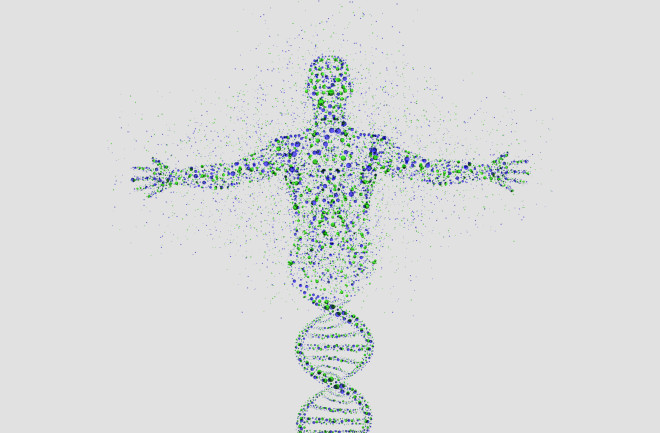
The Human Genome is a beautiful and intricate system that encodes and inscribes the biological functions of our body. This multi-faceted blueprint is critical for not only creating and sustaining the human body, but protecting it as well. However, when it comes to mutated viruses that have expanded their host range to humans, the human genome is far from flawless in encoding mitigation mechanisms. According to a research article focusing on the connection between the Human Genome and COVID-19:
- The genetic makeup of an individual contributes to susceptibility and response to viral infection. While environmental, clinical and social factors play a role in exposure to SARS-CoV-2 and COVID-19 disease severity, host genetics may also be important.
- Identifying host-specific genetic factors may reveal biological mechanisms of therapeutic relevance and clarify causal relationships of modifiable environmental risk factors for SARS-CoV-2 infection and outcomes.
- Mendelian Randomization analyses support a causal role for smoking and body mass index for severe COVID-19 although not for type II diabetes. The identification of novel host genetic factors associated with COVID-19, with unprecedented speed, was made possible by the community of human genetic researchers coming together to prioritize sharing of data, results, resources and analytical frameworks. This working model of international collaboration underscores what is possible for future genetic discoveries in emerging pandemics, or indeed for any complex human disease.
Severe acute respiratory syndrome coronavirus 2 (SARS-Cov-2) has left an indelible mark on the global health system and economy. To understand how genetics can play a role on the severity and susceptibility a host has to contracting the COVID-19 disease, the ‘COVID-19 Host Genetics Initiative’ conducted a study of three genome-wide association meta-analyses incorporating 49,562 COVID-19 patients from 46 studies across 19 countries. The study found 13 genome-wide loci that are related to the SARS-CoV-2 infection. The results of the study indicated hereditary conditions such as ADHD, diabetes, BMI had a significant correlation to reported infections, hospitalizations, and critical illnesses.
Citation: COVID-19 Host Genetics Initiative. Mapping the human genetic architecture of COVID-19. Nature (2021). https://doi.org/10.1038/s41586-021-03767-x